Do It Today, Not Tomorrow | Easy English Podcast Conversation in Daily Life
This is an AI-generated summary of “Do It Today, Not Tomorrow | Easy English Podcast Conversation in Daily Life” — a 26 min YouTube video by 30-minute everyday, published July 23, 2026. It condenses the full transcript into 10 key takeaways with clickable timestamps.
Summary
This podcast episode encourages listeners to overcome procrastination by taking immediate action, explaining the reasons behind delaying tasks, the costs of inaction, and providing practical strategies and English vocabulary to cultivate a 'do it today' mindset.
Key Points
- Procrastination is the habit of delaying tasks, often due to feeling overwhelmed, fearing failure, waiting for motivation, or underestimating time, which prevents people from reaching their goals.
- The costs of procrastination include missed opportunities, ongoing stress and guilt, reduced quality of work, negative impacts on health, and diminished self-confidence.
- Key English vocabulary and phrases related to taking action include 'seize the moment,' 'momentum,' 'willpower,' 'discipline,' 'strike while the iron is hot,' and 'done is better than perfect.'
- The 'two-minute rule' suggests completing any task that takes less than two minutes immediately to prevent small tasks from piling up.
- The 'eat the frog' strategy involves tackling the most difficult or important task first thing in the morning to gain momentum and reduce mental burden.
- Parkinson's law highlights that work expands to fill the time available, making self-imposed deadlines crucial for efficient task completion.
- Building a 'do it now' mindset involves making small, consistent daily choices to act immediately, which over time shapes one's identity.
- Regret often stems from inaction rather than action, making it important to take chances and pursue dreams rather than letting fear of failure hold you back.
- Accountability, whether through public commitment or an accountability partner, significantly increases the likelihood of taking action on goals.
- Motivation often follows action, not the other way around, meaning you should start tasks even if you don't feel ready or motivated.
Summarize any YouTube video, free
You just read an AI summary of this video. Paste any other YouTube link and get the key points with clickable timestamps in seconds — no signup, 5 free a day.
More Resources
More Summaries
 6 min
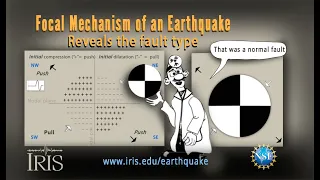
6 minFocal Mechanisms Explained: What are those “beach balls”?
Seismologists use focal mechanisms, visualized as beach balls, to understand earthquake faulting by analyzing the compressional and dilatational patterns of P-wave arrivals, which differ for strike-sl
 42 min
I Broke Down Every Priest Racial in WoW: Forever | First Look & Deep Dive
The video provides an in-depth analysis and comparison of the updated priest racial abilities across all playable races in World of Warcraft Classic Season of Discovery, offering insights into their p
 25 min
I have too many digital product ideas (35+ to steal)
This video provides 35 specific, high-potential digital product ideas, emphasizing that success comes from deeply understanding a niche audience's expensive problems and strategically packaging soluti
 16 min
18 habits that (quietly) doubled my output
This video outlines 18 productivity habits designed to double output and reduce working hours by addressing six common brain problems related to energy, willpower, focus, mental clutter, mindset, and
 1 hr 28 min
SQLite Database for Android - Full Course
This tutorial provides a comprehensive guide on building an Android application that utilizes SQLite for local data storage, covering setup, data modeling, database operations, and displaying data in