Tons do Meu Sertão | Curta-metragem
By Tamborete
This is an AI-generated summary of “Tons do Meu Sertão | Curta-metragem” — a 19 min YouTube video by Tamborete, published August 23, 2025. It condenses the full transcript into 10 key takeaways with clickable timestamps.
Summary
This video explores the deep connection between the Brazilian Northeast's sertão landscape, its people, and the vibrant expressions of popular art, highlighting how artists draw inspiration from their environment and culture to create meaningful works that contribute to identity and well-being.
Key Points
- The speaker views their art not as still life but as metaphors, embodying and transforming observations of the human condition and their environment.
- Atmospheric thoughts, often inspired by the light of dawn or late afternoon and scenes like a bus window, evoke melancholy and reflection, influencing the artist's color palette.
- The artist believes that all creative work is a form of self-portrait, intrinsically embedding the artist's origins, lived experiences, and cultural background.
- The speaker's engagement with art began through Liberation Theology, valuing youth and the poor, and was further shaped by studies in literature and theater.
- The speaker advocates for recognizing popular art as a vital component of Brazilian identity, arguing that excluding it provides a narrow and misguided view of the nation's cultural spirit.
- Etelânio Vieira Figueiredo, a self-taught artist, draws inspiration from the sertão, particularly the figure of the vaqueiro, and uses traditional techniques like natural pigments and tempera.
- The sertão, a semi-arid region in Northeast Brazil, is characterized by its stark beauty and resilience, inspiring artists to capture its essence.
- The Museum of Popular Culture in Francisco Dantas, maintained by a non-profit association, serves as a community-based institution that preserves and promotes popular art, functioning as a model of entrepreneurship in the region.
- The museum aims to be more than a repository of artifacts; it is envisioned as a dynamic space for community engagement, workshops, events, and cultural appreciation, fulfilling a spiritual and aesthetic need for the soul.
- Traditional photography techniques like black and white, monocle, and photo-painting, which were historically accessible in the region, are being preserved and documented by the museum.
Summarize any YouTube video, free
You just read an AI summary of this video. Paste any other YouTube link and get the key points with clickable timestamps in seconds — no signup, 5 free a day.
More Resources
More Summaries
 27 min
16 “OLD” Games That Are Still INSANE in 2026!
The video showcases 16 classic games that, through groundbreaking design, storytelling, or technology, continue to set the standard for modern gaming in 2026.
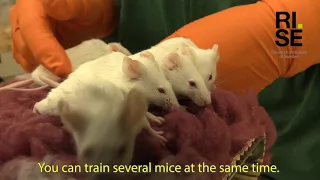 6 min
6 minMice at RISE
The video demonstrates humane mouse handling and training techniques that build trust, enable stress‑free procedures like blood sampling and dosing, and improve animal welfare in research.
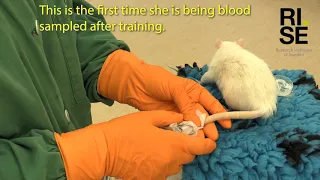 9 min
9 minRats at rise
This video demonstrates gentle handling and training techniques for laboratory rats at RIT, emphasizing a high culture of care to reduce stress, improve animal welfare, and enhance the accuracy of exp
 4 min
4 minMouse cage enrichment
The video discusses how researchers design and evaluate goal-oriented environmental enrichment to expand functional space and improve the welfare of laboratory mice.
 8 min
8 minEL USO DE EVER Y NEVER CON EL PRESENT PERFECT - INGLÉS PARA NIÑOS CON MR.PEA - ENGLISH FOR KIDS
Mr. Pea explains how to use “ever” and “never” in present perfect sentences, covering rules, examples, and practice exercises.