High Intensity Training and Aging: Mayo Clinic Radio
By Mayo Clinic
This is an AI-generated summary of “High Intensity Training and Aging: Mayo Clinic Radio” — a 9 min YouTube video by Mayo Clinic, published October 12, 2017. It condenses the full transcript into 10 key takeaways with clickable timestamps.
Summary
A Mayo Clinic study suggests that high-intensity interval training (HIIT) can significantly improve cellular energy production and insulin sensitivity, potentially reversing some aspects of the aging process, particularly in older adults.
Key Points
- High-intensity aerobic exercise, specifically High-Intensity Interval Training (HIIT), has been found to be particularly beneficial for improving cellular function and reversing some aging effects.
- HIIT encourages cells to produce more proteins essential for meeting energy demands, which can help reverse cellular aging.
- Aging leads to a decline in muscle mass and the mitochondria's capacity to convert nutrients into ATP, the cell's primary energy source.
- Regular, vigorous exercise can reverse many age-related declines in cellular function, including improvements in mitochondria and insulin sensitivity, especially when compared to sedentary individuals.
- While resistance exercise can help maintain muscle mass and improve insulin sensitivity, it does not stimulate mitochondrial function as effectively as aerobic exercise.
- HIIT involves alternating periods of high-intensity exercise with periods of low-intensity recovery, with a study showing even 15-16 minutes of high-intensity effort can yield significant benefits.
- HIIT significantly increased the capacity of mitochondria to produce ATP in both older and younger individuals, with older adults showing a substantial improvement.
- The study found that HIIT increased mitochondrial protein levels in older adults, restoring their capacity to produce energy.
- Individuals new to exercise should consult their doctor and gradually increase intensity, ideally with guidance from an exercise physiologist to prevent injury.
- A balanced exercise regimen may include 3 days of HIIT, 2 days of resistance training, and other days of moderate activity like walking, emphasizing that any activity is better than none.
Summarize any YouTube video, free
You just read an AI summary of this video. Paste any other YouTube link and get the key points with clickable timestamps in seconds — no signup, 5 free a day.
More Resources
More Summaries
 1 hr 55 min
1 Muslim vs. 20 Christian Women | The Bridge
This video features a debate between a Muslim woman, Kora, and a group of Christians on various theological topics, including the nature of God, the Quran's authority, the divinity of Jesus, and the c
 14 min
The Editing That Makes Your Story 10x Deeper
This video explains perspective editing as a simple yet powerful storytelling technique, particularly using the Dunning-Kruger effect as a narrative structure, to add depth and human connection to You
 14 min
The Most POWERFUL Fat Loss Breakfast on the Planet! (Backed By Science)
This video introduces a unique breakfast recipe combining flaxseed oil, cottage cheese, and ground flaxseed, designed to address the root cause of stubborn belly fat by repairing cell walls and influe
 55s
55s#illustration #tattoo #art #pov #procreate #drawing #whydidntmyexcomeback #digitalart
A woman recounts a humorous date where she discovered condoms in her date's jacket pocket and orchestrated a moment of embarrassment for him.
 21 min
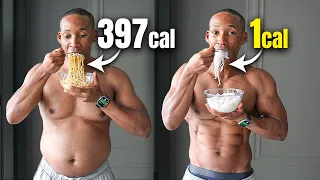
10 Foods With Almost Zero Calories That Keep You Full All Day
This video identifies 10 almost zero-calorie foods that promote fullness and aid in sustainable fat loss by leveraging high water content, specific compounds, and strategic food swaps.