Electrical Substation & It's purpose | Explained | TheElectricalGuy
By Gaurav J - TheElectricalGuy · more summaries from this channel
This is an AI-generated summary of “Electrical Substation & It's purpose | Explained | TheElectricalGuy” — a 7 min YouTube video by Gaurav J - TheElectricalGuy, published July 14, 2021. It condenses the full transcript into 10 key takeaways with clickable timestamps.
Summary
Substations are essential components of the electrical power system, playing a crucial role in transforming voltage levels, switching power, and protecting the grid from faults to ensure reliable electricity delivery to end-users.
Key Points
- Power is generated far from end-users due to factors like pollution and proximity to fuel sources, necessitating transmission and distribution stages.
- During transmission, power is sent at very high voltages to minimize energy losses.
- Substations are vital parts of the electrical generation, transmission, and distribution systems, facilitating the movement of electricity from power stations to consumers.
- Historically, substations were associated with single generating stations, but modern substations connect multiple power sources and handle complex network nodes.
- Substations also serve the critical purpose of switching, allowing for the safe connection and disconnection of power lines and equipment.
- The primary function of a substation is to transform voltage levels, either stepping up or stepping down power.
- Substations are required to step down these high transmission voltages to lower levels suitable for distribution and end-user consumption.
- Protection is a key role of substations, housing circuit breakers that operate during faults to safeguard the power system.
- Fault detection is another important function, with relays in substations identifying system faults and signaling circuit breakers to act.
- Substations enhance the reliability of the power system by allowing for maintenance on specific components, such as busbars, without interrupting overall power supply.
Summarize any YouTube video, free
You just read an AI summary of this video. Paste any other YouTube link and get the key points with clickable timestamps in seconds — no signup, 5 free a day.
More Resources
More Summaries
 19 min
Substation equipment and their functions | Quick Revision | TheElectricalGuy
The video provides a concise revision of substation equipment, explaining the purpose and operation of each component from lightning arrestors to power transformers.
 16 min
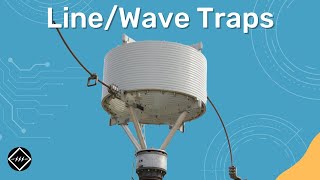
How Line Traps or Wave Traps works ? Explained | TheElectricalGuy
Wave traps are essential components in power transmission systems that utilize power line carrier communication (PLCC) to block high-frequency communication signals from entering substations, thereby
 27 min
The ERP for the AI Revolution is here
Campfire is an AI-native ERP system designed for high-growth companies, aiming to automate manual accounting and financial reporting tasks to enable strategic focus for finance and accounting teams.
 18 min
Serial Killer- Ted Bundy: A Ultima Entrevista
A man on death row reflects on his upbringing, the development of his violent sexual fantasies fueled by pornography, and the role of alcohol in his crimes, emphasizing that such influences can affect
 14 min
dSPACE Tutorial 2 (Receiving Signal)
This tutorial demonstrates how to receive analog signals from an external device using the dSPACE control system, specifically utilizing an ADC board and visualizing the input through MATLAB Simulink