How to Think on Paper
By Odysseas
This is an AI-generated summary of “How to Think on Paper” — a 18 min YouTube video by Odysseas, published January 28, 2026. It condenses the full transcript into 9 key takeaways with clickable timestamps.
Summary
The video advocates for the essential role of pen and paper in fostering deeper learning and thinking, highlighting its unique benefits in fluidity and engagement, and proposes a hybrid system that integrates digital tools for organization and long-term retention.
Key Points
- The video emphasizes that writing, especially on pen and paper, is crucial for deep thinking, learning, and self-education, providing a mind-muscle connection scientifically proven to enhance retention.
- Unlike restrictive digital notes, paper offers unparalleled fluidity and freedom to create diverse formats like mind maps, diagrams, and free-form thoughts, adapting to various learning situations.
- Investing in quality, yet affordable, notebooks and pens can significantly improve the writing experience, making the process more enjoyable and encouraging consistent engagement.
- Effective paper note-taking methods include categorizing information with subheaders, mind mapping, brain dumps, writing mini-essays, book reviews, and using Q&A for active learning.
- The optimal learning system combines the strengths of both analog and digital tools, utilizing paper for initial, temporary learning and rough drafts, and digital platforms for archiving and organization.
- The notebook acts as a "canvas for thoughts," allowing for messy, unfiltered "thinking out loud" that helps clarify complex ideas without the pressure of perfection.
- Transferring notes from paper to digital tools like Obsidian provides valuable spaced repetition, an opportunity to edit and refine thoughts, and builds a structured "second brain" for long-term reference.
- The act of organizing digital notes through tagging and linking forces deeper thinking about the material, transforming organization itself into a learning process.
- Ultimately, the most effective note-taking system is highly personal and requires individual experimentation, adaptation, and a willingness to make mistakes to discover what works best.
Summarize any YouTube video, free
You just read an AI summary of this video. Paste any other YouTube link and get the key points with clickable timestamps in seconds — no signup, 5 free a day.
More Resources
More Summaries
 15 min
Best Attackers & Defenders For Battlegrounds Season 41 Victory Track! | Marvel Contest Of Champions
This video provides a comprehensive guide to the best attackers and most challenging defenders for Battlegrounds Season 41, focusing on strategies to manage or exploit the "Rising Sun" node's fury buf
 5 min
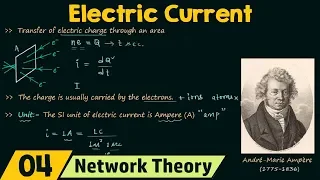
5 minElectric Current
This lecture defines electric current as the movement of electric charge in a particular direction, explains its measurement, identifies charge carriers, and describes various types of current.
 29 min
Reading and the art of conversation
The speaker, enduring a cold Michigan winter, discusses his current reading list, focusing on C.S. Lewis's philosophical works and literary apologetics, while reflecting on the nature of time, absolut
 24 min
CCNY Commencement 2016: First Lady Michelle Obama, Speaker
In her final commencement address as First Lady, Michelle Obama celebrates the diverse, resilient Class of 2016 at City College of New York, urging them to use their education and experiences to serve
 18 min
You Have to Write Every Day. ChatGPT Won’t Save You.
This video emphasizes that active writing, despite being a small percentage of daily communication, is a powerful tool for rewiring the brain, achieving deeper learning, fostering self-discovery, and