PCIe Gen 6 is... Abnormal | The Future is PCIe (Part 3), ft. Wendell of Level1 Techs
By Gamers Nexus · more summaries from this channel
This is an AI-generated summary of “PCIe Gen 6 is... Abnormal | The Future is PCIe (Part 3), ft. Wendell of Level1 Techs” — a 38 min YouTube video by Gamers Nexus, published July 15, 2026. It condenses the full transcript into 10 key takeaways with clickable timestamps.
Summary
The video discusses how PCIe, especially Gen 6, is becoming the central interconnect merging networking, storage, and compute, and predicts its future shift toward on‑chip photonics and eventual consumer adoption.
Key Points
- PCIe Gen 6 has arrived and is first seen linking GPUs to networking, marking a major shift in data‑center architecture.
- The convergence of PCIe and networking enables GPUs to access remote memory and storage with latency comparable to local PCIe connections.
- Modern servers are merging PCIe lanes with Ethernet, using technologies like RDMA to make networking behave like PCIe.
- On‑chip photonics, which integrates optical transceivers directly into silicon, is expected to replace traditional optics and lower cost and power.
- Software support, especially for RDMA in Linux, is crucial for realizing the performance benefits of the PCIe‑network convergence.
- Recycling and refurbishing data‑center hardware could provide affordable high‑performance GPUs and networking for researchers and enthusiasts.
- Optical PCIe adapters (e.g., low‑cost 100 Gbps optics) demonstrate that cheap, high‑speed links are becoming feasible for hobbyist and home‑lab setups.
- Enterprise‑grade components such as Bluefield DPUs, HBM‑2E, and high‑bandwidth adapters can be repurposed for consumer use through re‑engineering and second‑hand markets.
- High‑speed networking cards (e.g., 800 Gbps to 1.6 Tbps) are now built on PCIe Gen 5/6 platforms, but their cost remains high for consumers.
- The industry is moving toward open standards like PCIe Gen 7 and CXL, reducing reliance on proprietary interfaces and paving the way for broader adoption.
Summarize any YouTube video, free
You just read an AI summary of this video. Paste any other YouTube link and get the key points with clickable timestamps in seconds — no signup, 5 free a day.
More Resources
More Summaries
 29 min
Private DIY Servers Are "Illegal Black Markets of Piracy" | The ESA's Shady Ties
The video exposes the Entertainment Software Association (ESA) as an anti-consumer lobbying group that falsely labeled private game servers as illegal piracy to defeat a California bill aimed at prote
 27 min
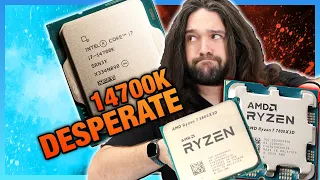
Intel is Desperate: i7-14700K CPU Review, Benchmarks, Gaming, & Power
The Intel i7 14700K CPU, a 'Raptor Lake refresh,' offers minimal performance improvements over its predecessor, the 13700K, and struggles to compete with AMD's offerings, making it a largely unexcitin
 26 min
John Boyko: Revisiting R. B. Bennett
Richard Bennett, Canada's eleventh Prime Minister, was a complex figure who, despite his capitalist background, acted as a 'rebel' by challenging conventional thinking and implementing significant soc
 28 min
Regulating your nervous system is really this simple
To regulate your nervous system, you must shift from a state of constant sympathetic activation caused by perceived threats to a parasympathetic state of "doing nothing" and abandoning self-concern, w
 6 min
6 minPeople's History Dear Mr Prime Minister
The video showcases how Canadian Prime Minister R.B. Bennett personally responded to a deluge of desperate letters from citizens during the Great Depression, offering individual financial aid and supp