Mice at RISE
By RISE Research Institutes of Sweden
This is an AI-generated summary of “Mice at RISE” — a 6 min YouTube video by RISE Research Institutes of Sweden, published December 18, 2019. It condenses the full transcript into 10 key takeaways with clickable timestamps.
Summary
The video demonstrates humane mouse handling and training techniques that build trust, enable stress‑free procedures like blood sampling and dosing, and improve animal welfare in research.
Key Points
- The facility never lifts mice by the tail or with tweezers, using cupped hands or a gentle tongue instead.
- Initial handling sessions aim to create trust between the mouse and handler, allowing the mouse to become comfortable with the handler’s hands and the vet bed.
- Mice that are shy may need extra time before they willingly enter the handler’s hand.
- Observation boxes are used to continuously monitor mouse behavior during training and study periods, providing data on general condition.
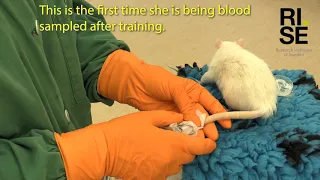
- Gentle handling and training enable mice to be calmly blood‑sampled from the saphenous vein without a restrainer, even when multiple mice are processed together.
- After procedures, mice often seek contact with the handler, indicating reduced stress and successful habituation.
- Intravenous dosing can be performed on trained mice while they remain calm and observant, allowing easy detection of substance‑related symptoms.
- Micro‑sampling is prioritized, and soft incubators may be used post‑procedure to support recovery.
- Clicker training teaches mice to perform tasks such as placing a pellet and chewing a stick, demonstrating their memory can last up to a month.
- The video encourages researchers to adopt these refinement techniques to improve mouse welfare and invites contact for further information.
Summarize any YouTube video, free
You just read an AI summary of this video. Paste any other YouTube link and get the key points with clickable timestamps in seconds — no signup, 5 free a day.
More Resources
More Summaries
 9 min
9 minRats at rise
This video demonstrates gentle handling and training techniques for laboratory rats at RIT, emphasizing a high culture of care to reduce stress, improve animal welfare, and enhance the accuracy of exp
 19 min
Tons do Meu Sertão | Curta-metragem
This video explores the deep connection between the Brazilian Northeast's sertão landscape, its people, and the vibrant expressions of popular art, highlighting how artists draw inspiration from their
 4 min
4 minMouse cage enrichment
The video discusses how researchers design and evaluate goal-oriented environmental enrichment to expand functional space and improve the welfare of laboratory mice.
 27 min
16 “OLD” Games That Are Still INSANE in 2026!
The video showcases 16 classic games that, through groundbreaking design, storytelling, or technology, continue to set the standard for modern gaming in 2026.
 20 min
The Biology of Skin Color | HHMI BioInteractive Video
Human skin color evolved through natural selection as a balance between protecting against UV‑induced folate loss and allowing enough UVB for vitamin D synthesis, leading to the global variation we se