Rats at rise
By RISE Research Institutes of Sweden
This is an AI-generated summary of “Rats at rise” — a 9 min YouTube video by RISE Research Institutes of Sweden, published December 18, 2019. It condenses the full transcript into 10 key takeaways with clickable timestamps.
Summary
This video demonstrates gentle handling and training techniques for laboratory rats at RIT, emphasizing a high culture of care to reduce stress, improve animal welfare, and enhance the accuracy of experimental procedures.
Key Points
- The video emphasizes building trust with laboratory rats through gentle handling from their arrival, fostering a positive view of handlers and their new environment.
- Rats are housed in "family cages" designed for environmental enrichment, allowing them to climb, balance, hide, dig, and sleep comfortably.
- A high culture of care is crucial to avoid unnecessary stress and fear, utilizing certified treats as positive reinforcement during training sessions.
- The ultimate goal is to minimize the use of laboratory animals, but until then, a high culture of care and gentle training are essential for their welfare and the accuracy of research.
- Initial training involves gentle handling to create trust between the animal and handler, respecting individual differences, and familiarizing rats with hands and vet beds.
- All rodents undergo 4-6 short training sessions (1-2 minutes each) during acclimatization to recognize different body touches and prepare for experimental procedures.
- Trained rats remain calm and cooperative during procedures like blood sampling (both direct and micro-sampling) and oral dosing, often while eating treats.
- Training extends to accepting soft gavage for oral compound administration and entering restrainers voluntarily by associating them with positive reinforcement like treats.
- Proper handling and training significantly reduce stress for both the animals and handlers, leading to fewer stress-related mistakes in experimental protocols.
- Rats are described as amazing, social, adaptable, and eager-to-learn animals, making them easy to work with when handled and trained correctly.
Summarize any YouTube video, free
You just read an AI summary of this video. Paste any other YouTube link and get the key points with clickable timestamps in seconds — no signup, 5 free a day.
More Resources
More Summaries
 6 min
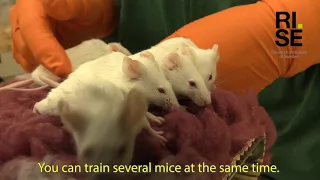
6 minMice at RISE
The video demonstrates humane mouse handling and training techniques that build trust, enable stress‑free procedures like blood sampling and dosing, and improve animal welfare in research.
 8 min
8 minEL USO DE EVER Y NEVER CON EL PRESENT PERFECT - INGLÉS PARA NIÑOS CON MR.PEA - ENGLISH FOR KIDS
Mr. Pea explains how to use “ever” and “never” in present perfect sentences, covering rules, examples, and practice exercises.
 27 min
16 “OLD” Games That Are Still INSANE in 2026!
The video showcases 16 classic games that, through groundbreaking design, storytelling, or technology, continue to set the standard for modern gaming in 2026.
 15 min
It is happening again..
The video traces how music creation shifted from early computer synths to AI, highlighting the importance of authentic human collaboration as exemplified by Daft Punk’s transition to live musicians an
 19 min
Tons do Meu Sertão | Curta-metragem
This video explores the deep connection between the Brazilian Northeast's sertão landscape, its people, and the vibrant expressions of popular art, highlighting how artists draw inspiration from their