Organizing Your US History Notebook 📚
This is an AI-generated summary of “Organizing Your US History Notebook 📚” — a 13 min YouTube video by Danielle Ives, published August 19, 2025. It condenses the full transcript into 10 key takeaways with clickable timestamps.
Summary
This video provides a comprehensive guide on how to assemble, organize, and utilize the US History class notebook as an essential study tool for unit tests, Kia Quizzes, and the final exam.
Key Points
- The notebook is divided into two main sections: numbered "Classwork and Activities" and "Optional Reading Notes" from the textbook.
- The primary goal of the notebook is to help students create a personalized study tool for reviewing class material, remembering discussions, and understanding concepts.
- Completed notebook assignments and optional reading notes can be used as an open-note resource for "Kia Quizzes" and as a study guide for unit tests and the final exam.
- Classwork activities encompass diverse formats such as film notes, discussion notes, movie guides, maps, worksheets, guided readings, and mind maps.
- Optional reading notes, though encouraged, should focus specifically on the questions, concepts, terms, and people outlined on the back of the notebook grade sheet.
- Students are advised to organize their assignments by number, complete a self-grade to ensure all work is present and finished, and compare answers with classmates if necessary.
- On the unit test day, students will staple their organized assignments together with the green notebook grade sheet on top and submit them in a designated basket.
- It is crucial for students to keep their graded notebooks after they are returned, as they serve as a vital resource for studying for the comprehensive final exam in January.
- The US History notebook is a compilation of all classwork, activities, and optional reading notes for each unit, to be submitted on the day of the unit test.
- The notebook is designed to be an easy way to earn points by simply keeping track of, completing, and submitting all assignments on time.
Summarize any YouTube video, free
You just read an AI summary of this video. Paste any other YouTube link and get the key points with clickable timestamps in seconds — no signup, 5 free a day.
More Resources
More Summaries
 4 min
4 minHow a child's brain develops through early experiences
The video explains how early childhood experiences shape brain development, emphasizing the importance of positive interactions and the dangers of toxic stress while highlighting the role of caregiver
 2 min
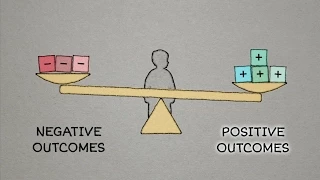
2 minInBrief: The Science of Resilience
Resilience is a dynamic process shaped by the interaction of individual characteristics and environmental experiences, where positive influences can counterbalance adversity to promote positive outcom
 4 min
4 minDifferent Family Traditions In The World | Parenting Around The World
This video explores diverse cultural traditions and practices surrounding babies and child-rearing across the globe, from ear piercing and postpartum rituals to sleeping habits and future predictions.
 8 min
8 minPerinatal Hospice of BJC HealthCare
This video highlights a program designed to support families facing the devastating news that their baby is not expected to survive after birth, offering guidance, memory-making opportunities, and ong
 1 min
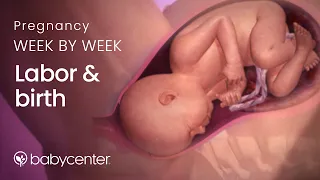
1 minPregnancy week by week: Labor and Birth
This video explains the physiological changes and stages of labor a woman's body undergoes from the final weeks of pregnancy through childbirth.