The Pedals I Actually Use on Nashville Sessions
By Nicky V
This is an AI-generated summary of “The Pedals I Actually Use on Nashville Sessions” — a 21 min YouTube video by Nicky V, published September 12, 2026. It condenses the full transcript into 10 key takeaways with clickable timestamps.
Summary
This video provides an in-depth look at a session guitarist's two pedalboards, detailing the unique applications and settings of various pedals used to achieve diverse guitar tones for studio and live performance.
Key Points
- Session guitarists often need to bring multiple guitars to a studio session to ensure they have a wide range of tonal options for unknown recording requirements.
- The Electro-Harmonix Mel 9 pedal is used subtly to add a background Mellotron essence or more prominently as a "bridge machine" for unique song sections.
- The Digitech Eric Clapton Crossroads pedal, despite its low cost, offers versatile sounds including a nasty overdrive/fuzz, a quality rotary effect, and a distinct mid-range honk.
- The Rocket Pedals Archer Select is valued for its ability to function as a musical EQ, adding sparkle and clarity to the top end without harshness, or for its vocal-quality overdrive.
- The Prince of Tone is considered the most flexible pedal on the board, excelling at various boost, overdrive, and distortion settings, making it suitable for almost any session.
- The Nobles ODR1 mini is a Nashville session staple, prized for its ability to provide "ump" to a Telecaster while maintaining brightness and consistently sitting well in any mix.
- The OTB Custom Boost is an essential tool for on-the-fly solo boosts, adding a crucial 3-5% presence and an upper-mid bump to help solos cut through a dense mix.
- The Boss GE7 equalizer is used to sculpt the low end when paired with the ODR1 and can also simulate a pseudo-Vox amplifier tone when only a Fender amp is available.
- The Strymon Mobius's "Far Away" preset (Destroyer setting) offers a unique low-fi, tin-can, mid-range sound for creative and intentionally "bad" guitar tones.
- The Strymon Timeline's tremolo delay is a favorite for creating a subtle, swimming bed of sound that is more felt than heard, preserving the dry signal's integrity.
Summarize any YouTube video, free
You just read an AI summary of this video. Paste any other YouTube link and get the key points with clickable timestamps in seconds — no signup, 5 free a day.
More Resources
More Summaries
 16 min
7 Amateur Mistakes Intermediate Guitarists Still Make
This video highlights common habits of amateur and intermediate guitar players, offering advice on how to improve rhythm, vibrato, intonation, phrasing, and tone to achieve a more professional sound.
 7 min
7 minHow Singapore Got So Crazy Rich
Singapore's remarkable transformation from a resource-poor island to a global economic powerhouse is attributed to strategic, long-term planning, focusing on manufacturing, finance, and becoming an at
 29s
29sIdentifying people by their appearance #anime #animeedit #shorts
This video appears to be a short, humorous skit between two characters, Lilith and Yulie (also referred to as Thor), who are playfully testing their knowledge of each other and their relationship.
 17 min
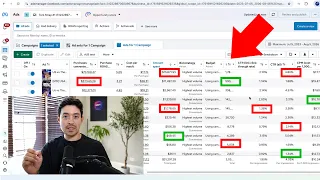
If You Don't Understand Data, You Don't Understand Facebook Ads
This video outlines a systematic "stairway to paid ads heaven" approach for optimizing Facebook ad performance by analyzing specific metrics at each stage of the customer journey, from ad creative eng
 37 min
Getting Started with Verilog
This lecture introduces Verilog design principles, focusing on module structure, behavioral vs. structural descriptions, and the two main paths for Verilog code: simulation for verification using test