The Best Aquarium Plants That Are Actually Easy to Grow
This is an AI-generated summary of “The Best Aquarium Plants That Are Actually Easy to Grow” — a 30 min YouTube video by Aquarium Store Depot, published December 10, 2024. It condenses the full transcript into 10 key takeaways with clickable timestamps.
Summary
This video ranks various aquarium plants from S tier to F tier, discussing their ease of care, visual appeal, and suitability for different aquascaping styles and skill levels.
Key Points
- The video ranks aquarium plants based on their aesthetic appeal, care requirements, and suitability for aquascaping, categorizing them from S tier (best) to F tier (worst).
- Epil Andra kagon and Ludwigia Nan Super Red are highly rated S-tier plants due to their hardiness, striking appearance, and ease of care, respectively.
- Anubius Nana Petite and Amazon Frogbit are recognized as A-tier plants for their low maintenance beauty and ability to provide shade and absorb nutrients, respectively.
- Monte Carlo and Red Root Floaters are also placed in the S tier for their ability to create a lush carpet and vibrant roots, respectively, while being relatively easy to maintain.
- Duckweed and Marimo Moss Balls are placed in the F tier, primarily due to their invasive nature, difficulty in removal, or ecological concerns.
- Plants like Cryptocoryne wendtii, Vallisneria, and Mini Bulbus are placed in the C tier, offering reliable but less spectacular features or requiring more patience.
- While some plants are praised for their hardiness and beginner-friendliness, others are recommended for experienced aquascapers willing to meet higher demands for optimal growth and appearance.
- Hornwort, Java Moss, and Subwassertang are relegated to the D tier due to issues like excessive shedding, messy growth, or being difficult to incorporate into designs.
- Several plants, including Nymphaea lotus, Flame Moss, and Ludwigia Super Red Mini, are highlighted for their vibrant colors and visual impact, often requiring more specific care or maintenance.
- The video emphasizes that plant selection depends on the aquascaper's experience level, desired aesthetic, and willingness to commit to maintenance.
Summarize any YouTube video, free
You just read an AI summary of this video. Paste any other YouTube link and get the key points with clickable timestamps in seconds — no signup, 5 free a day.
More Resources
More Summaries
 18 min
i ignored reality and all of my problems got solved (instantly)
The speaker shares two personal anecdotes to illustrate how ignoring perceived problems and trusting in an easy resolution, rather than overthinking or forcing solutions, led to immediate and effortle
 33 min
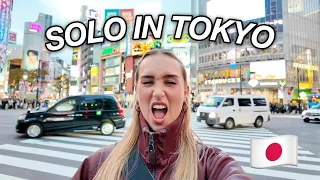
SOLO TRAVELLING TOKYO FOR THE FIRST TIME🇯🇵 (JAPAN VLOG)
A solo traveler documents their exciting 12-day trip to Japan, exploring Tokyo's vibrant districts, enjoying local cuisine, and experiencing cultural landmarks, before heading to Kamakura and anticipa
 2 hr 21 min
World Athletics Ultimate Championship - Volunteer Training (English)
This volunteer training session prepares participants for the "Athletics Ultimate Championship" in Budapest, a revolutionary, TV-centric event showcasing the world's top athletes, highlighting the ind
 23 min
Boot Camp Day 29: Trading Plan
This video outlines the essential steps for creating a foolproof trading plan to transition from an unprofitable trader to a consistently profitable one, emphasizing discipline, risk management, and p
 2 hr 6 min
AIAW Podcast E140 - AI-based software engineering - Anton Osika
Anton Osika, co-founder of Lovable (formerly GPT Engineer), discusses the product's evolution from an open-source tool proving LLMs' programming utility to a successful AI software engineering platfor