SOMETHING YOU MIGHT NOT KNOW ABOUT CANADA: Wes 'Maestro' Williams on Africville
By Strombo
This is an AI-generated summary of “SOMETHING YOU MIGHT NOT KNOW ABOUT CANADA: Wes 'Maestro' Williams on Africville” — a 1 min YouTube video by Strombo, published February 13, 2012. It condenses the full transcript into 10 key takeaways with clickable timestamps.
Summary
The video recounts the history of Africville, a Black Canadian community in Halifax that faced systemic neglect and demolition, yet inspired enduring cultural contributions.
Key Points
- In the early 19th century, Black Loyalists fleeing the American Revolution and the War of 1812 settled in Halifax, forming the community later known as Africville.
- The narrator encourages viewers to recognize this lesser‑known chapter of Canadian history.
- Africville residents initially found land and opportunities but continually faced racism and municipal neglect.
- The city failed to provide basic infrastructure such as proper roads, street lighting, water, and electricity to the community.
- In the 1960s, the municipality designated Africville as a slum and imposed a garbage dump on the neighborhood.
- Between 1964 and 1967, residents were forcibly relocated by city dump trucks as Africville was demolished.
- The destruction of Africville left a painful legacy of displacement and loss for its former inhabitants.
- Despite this tragedy, Africville has become a source of inspiration for Black Canadian artists, musicians, playwrights, and filmmakers.
- Notably, Joe Cormier’s 1997 award‑winning “Africville Suite” transformed the community’s story into celebrated music.
- The video emphasizes that the shame of Africville’s demolition can also give rise to powerful artistic expression.
Summarize any YouTube video, free
You just read an AI summary of this video. Paste any other YouTube link and get the key points with clickable timestamps in seconds — no signup, 5 free a day.
More Resources
More Summaries
 2 hr 59 min
D And F Block Elements Class 12 One Shot 🔥 | All Concepts + NCERT + PYQs | Chemistry Chapter 4
The video provides a comprehensive one-shot lecture on D and F block elements, covering their electronic configurations, physical and chemical properties, important compounds like chromates and perman
 2 min
2 minMore from inside D4vd preliminary hearing — more disturbing details.
This video provides an update from the preliminary hearing of David, accused of killing Celeste Violeta Fernandez, detailing horrific evidence, alleged purchases made by the accused, and financial asp
 24 min
RAM-ageddon Finally Comes for Apple!
Apple recently implemented significant price increases across most of its hardware products, including Macs, iPads, Apple TVs, and HomePods, citing global memory shortages and supply chain issues, whi
 2 hr 29 min
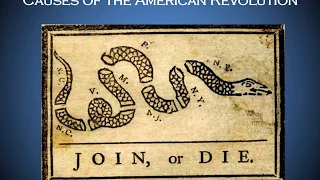
Causes of the American Revolution
The end of the French and Indian War in 1763 exposed the ill-defined relationship between Britain and its American colonies, leading to escalating conflicts over taxation, self-governance, and imperia
 37 min
My 2 Swing Trading Strategies which helped me DOUBLE my Portfolio in 6 Months!
Harsh shares his journey to achieving 1 crore in profit within six months by detailing his strategic approach to stock market investing, which includes identifying market leaders, managing risk with c