Scientists Finally Solved the Balkan DNA Mystery — Only One Population Matched
This is an AI-generated summary of “Scientists Finally Solved the Balkan DNA Mystery — Only One Population Matched” — a 12 min YouTube video by Scientific discoveries, published July 7, 2026. It condenses the full transcript into 9 key takeaways with clickable timestamps.
Summary
Recent DNA studies, analyzing ancient genomes, have definitively pinpointed a specific region stretching from southern Belarus into central Ukraine as the ancestral homeland of Slavic peoples, settling a 200-year historical debate.
Key Points
- Recent DNA studies, utilizing ancient genomes, have definitively answered the 200-year-old question regarding the true origin of Slavic peoples.
- These findings trace the bloodlines of people with Slavic ancestry back over 1,400 years to a specific geographical origin, redefining family stories and historical understanding.
- Before the Slavic migrations, Roman-era genetic analysis of the Balkans revealed a massive demographic shift towards ancestry from Anatolia, not Italy, significantly reshaping the region's population.
- Following the Western Roman Empire's decline in the 6th century, a large-scale arrival of individuals genetically similar to modern Slavic-speaking populations began in the Balkans.
- This Slavic migration constituted one of Europe's largest demographic shifts, contributing between 30% and 60% of the ancestry of today's Balkan peoples.
- The international Histogenes Project sequenced over 550 ancient genomes specifically to trace the biological roots of early medieval Slavic populations.
- This extensive genetic comparison identified a specific corridor stretching from southern Belarus into central Ukraine as the sole genetic wellspring for the migrating Slavic populations.
- The genetic evidence confirmed a long-standing theory previously proposed by archaeologists and linguists, providing biological proof for the Slavic homeland.
- The modern genetic profile of the Balkans is a complex blend of Iron Age populations, Roman-era Anatolian migrations, and subsequent Slavic migrations, creating a shared history across contemporary national borders.
Summarize any YouTube video, free
You just read an AI summary of this video. Paste any other YouTube link and get the key points with clickable timestamps in seconds — no signup, 5 free a day.
More Resources
More Summaries
 11 min
How To Tattoo Choosing The Correct Needles For Lining & Shading! + Do Not Make This Mistake!!!
This video provides a comprehensive guide to selecting the right tattoo needles, explaining their nomenclature, types, common configurations, and practical application, while also addressing common mi
 24 min
Doraemon Episode 735AB Subtitle Indonesia, English, Malay
This video showcases Nobita and Doraemon's adventures, first exploring a magical fairytale world with animal transformations and then learning about and utilizing various futuristic artificial satelli
 8 min
8 minTattoo Needles Explained | What Beginners Get Wrong
This video provides a comprehensive guide to round liner tattoo needles, explaining their structure, various sizes and applications, proper voltage and technique adjustments, and essential tips for be
 1 hr 50 min
Philosopher David Chalmers asks: When we talk to AI, what are we talking to?
This lecture introduces the Sarah Douglas Lecture series on Philosophy and AI, focusing on the urgent philosophical questions raised by large language models (LLMs) regarding their nature, consciousne
 8 min
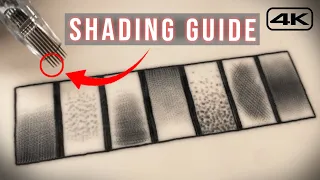
8 minShading Guide for Beginners - 7 Tattoo Shading Techniques
This video demonstrates and explains seven different tattoo shading techniques, detailing their application, suitable needle types, common mistakes to avoid, and general best practices for achieving v