The Problem With “Science-Based” Female Fitness Advice
This is an AI-generated summary of “The Problem With “Science-Based” Female Fitness Advice” — a 21 min YouTube video by Sharelle Grant, published February 12, 2026. It condenses the full transcript into 10 key takeaways with clickable timestamps.
Summary
This video critically examines 12 common fitness and nutrition recommendations for women, providing essential context and evidence-based insights to help women train, eat, and recover in sync with their unique biology.
Key Points
- Much online fitness and nutrition advice is designed for men, but women's bodies operate differently due to menstrual cycles and hormonal fluctuations, necessitating tailored approaches.
- Progressive strength training 3-4 times a week is crucial for all women, regardless of age, to build muscle, maintain a sharp metabolism, and strengthen bones, especially maximizing muscle in their 20s and 30s.
- Effective strength training requires adequate rest periods of 2-5 minutes between sets for both men and women, prioritizing quality repetitions and proper technique over rushing workouts.
- Mastering proper movement technique is foundational, and a well-designed program should incorporate both free weights, which engage stabilizing muscles, and machines, which allow for training to failure and muscle growth.
- While high-intensity interval training (HIIT) can improve fitness, it's not essential for most people and carries injury risks; strength training and Zone 2 cardio are generally sufficient for overall health.
- Comprehensive core training involves a combination of spinal flexion exercises (crunches), bracing, and static movements (planks) to work all core muscles through their full range of motion, not just relying on compound lifts.
- Rigid cycle-syncing protocols are often oversimplified and can hinder progressive overload; women should track their own cycles and listen to their bodies, as individual responses to hormonal phases vary greatly.
- Creatine monohydrate (3-5g/day) is a highly recommended and affordable supplement for women, improving strength and cognitive function without causing 'bulkiness,' as any weight gain is due to fluid retention.
- Supplementation should be individualized based on blood work, but common beneficial supplements for women include protein powder, Vitamin D, magnesium (for cramps), and Omega-3s, while generic multivitamins are often ineffective.
- Cold and heat therapies like ice baths and saunas offer mental and recovery benefits but are 1% additions to a recovery strategy, not replacements for fundamental practices like adequate rest, nutrition, and proper programming.
Summarize any YouTube video, free
You just read an AI summary of this video. Paste any other YouTube link and get the key points with clickable timestamps in seconds — no signup, 5 free a day.
More Resources
More Summaries
 35 min
WWE Four Horsewomen's History | Sasha Banks, Charlotte Flair, Bayley & Becky Lynch.
This video chronicles the journey of the "Four Horsewomen" of WWE, focusing on their rise from NXT to headlining WrestleMania and their collective impact on revolutionizing the women's division.
 48 min
Top 5 Bingeable SCARY STORIES | Close Calls...
This video presents a collection of five true scary stories, featuring encounters with infamous serial killers, supernatural phenomena, and terrifying criminal setups.
 1 hr 14 min
The FBI Crashes Out. We Examine The Exploding Microphone Theory. | Ep 350
This video explores the theory that Charlie Kirk's death was not a shooting but rather an assassination involving a rigged explosive device disguised as a microphone, and criticizes the FBI's handling
 1 hr 6 min
Oceans in Our lives
This video emphasizes the need to shift from a land-centric perspective to understand the profound and often overlooked influence of oceans on human history, culture, trade, migration, and the urgent
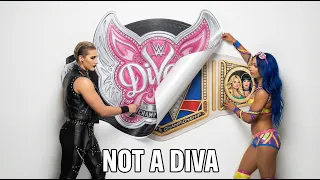 22 min
The History of Women’s Wrestling WWE Tried to Erase
The video chronicles the 90-year struggle of women in professional wrestling, from pioneers like Mildred Burke to the 2019 WrestleMania main event, highlighting their consistent erasure, exploitation,