TINNITUS DISAPPEARS! PRESS THIS POINT AND FORGET THE RINGING FOREVER
This is an AI-generated summary of “TINNITUS DISAPPEARS! PRESS THIS POINT AND FORGET THE RINGING FOREVER” — a 43 min YouTube video by Dr. Waterling, published March 31, 2026. It condenses the full transcript into 10 key takeaways with clickable timestamps.
Summary
This video explains that tinnitus is primarily a brain-based alarm signal, not an ear disease, and offers a comprehensive approach to identify its type, eliminate aggravating factors, nourish the nervous system, and perform specific exercises for long-term relief.
Key Points
- Tinnitus is often misdiagnosed as an ear problem, but in the vast majority of cases, it's a symptom of the brain overcompensating for weak auditory signals by amplifying its sensitivity.
- The brain generates phantom sounds when it lacks sufficient incoming auditory information, similar to turning up a volume knob in a quiet room, leading to internal static.
- Immediate medical evaluation is crucial for specific 'red flag' symptoms, including strictly one-sided tinnitus, sudden hearing loss, severe vertigo with nausea, or any accompanying neurological symptoms.
- Many common causes of tinnitus are mechanical or biochemical, stemming from issues like neck and jaw tension (e.g., forward head posture, bruxism), impaired blood flow, or micronutrient deficiencies, rather than direct ear damage.
- Diet plays a significant role, as insulin resistance and high sugar intake can damage blood vessels and nerve health, making the auditory system more vulnerable to dysfunction.
- Supporting the 'biochemistry of silence' involves proper hydration, chelated magnesium, active B vitamins (like methylcobalamin), and healthy fats (Omega-3s) to calm the nervous system and repair nerve insulation.
- A 3-minute daily exercise protocol, including sternocleidomastoid massage, Tinggong acupoint stimulation, and the 'heavenly drum' technique, can mechanically release tension and stimulate inner ear fluid, especially when performed with a long, slow exhale.
- Adopting a mindset that views tinnitus as an 'ally' or a 'check engine light' for the body, rather than an enemy, can help break the fear-adrenaline cycle that often intensifies the sound.
- The video identifies four types of tinnitus: vascular (pulsatile), muscular (clicking/crackling), sensorineural (monotone ringing), and psychogenic (emotion-linked), each requiring a different approach.
- Common daily habits that worsen tinnitus include drinking coffee on an empty stomach, using high plush pillows, aggressive ear cleaning with cotton swabs, and using vacuum-sealed in-ear earbuds.
Summarize any YouTube video, free
You just read an AI summary of this video. Paste any other YouTube link and get the key points with clickable timestamps in seconds — no signup, 5 free a day.
More Resources
More Summaries
 38 min
Atrial Fibrillation: New Solutions for an Old Problem
Dr. Andrea Cooley explains atrial fibrillation as a serious and growing health problem, detailing its causes, significant risks like stroke and heart failure, and a range of treatment options from med
 3 min
3 minWho was Imam al-Ghazali?
The video discusses the significance of Imam al-Ghazali's work, particularly his book 'The Revival of the Religious Sciences', in providing a comprehensive and accessible understanding of Islamic thou
 57s
57sSmartbox 10-Year Anniversary Sale | 50% Off Programming & More
SmartBox is offering a limited-time anniversary promotion with steep discounts on its vehicle programming tools and accessories, plus free services, for both existing and new customers.
 1 hr 23 min
The Man That Makes Billionaires: The Formula Behind Brands That EXPLODE
Chiron Shvatza, a serial entrepreneur and CEO of acquisition.com, reveals his money-making secrets by outlining a framework for building scalable businesses through simplicity, strategic decision-maki
 8 min
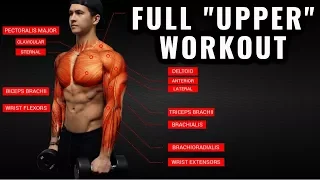
8 minThe Best Science-Based Upper Body Workout for Growth (Chest/Back/Arms/Shoulders)
The video explains how to structure an effective upper-body workout within an upper‑lower split, emphasizing optimal compound exercises, proper angles, and balanced muscle development.