the neuroscience approach to making any home feel 10x better
By Five By Nine
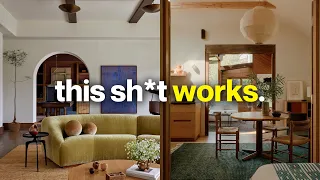
This is an AI-generated summary of “the neuroscience approach to making any home feel 10x better” — a 23 min YouTube video by Five By Nine, published August 19, 2026. It condenses the full transcript into 10 key takeaways with clickable timestamps.
Summary
This video explores seven psychological principles that influence how we feel in our homes, offering practical tips to enhance comfort and well-being without major renovations.
Key Points
- Prospect-refuge theory suggests we feel most comfortable in positions where we can see our surroundings while having a protected back, so arranging furniture in a 'command position' with a solid backing and a clear view of the entrance enhances feelings of safety and relaxation.
- The Diderot effect describes how acquiring one new, high-quality item can trigger a desire to replace surrounding items to match its status, leading to a spending spiral; using 'bridge pieces' with mixed textures and finishes can create cohesion and prevent this.
- Acoustic anchoring is crucial because hard, reflective surfaces in modern design can create an echo chamber, making rooms feel tense and exhausting; incorporating sound-absorbing materials like thick rugs, heavy drapery, and textured art can create a quieter, more relaxing environment.
- Prioritizing sound-absorbing materials like thick rug pads, felt-backed art, and tapestries helps quiet a space, signaling safety to the nervous system and reducing stress.
- The mere exposure effect explains our tendency to prefer things we are familiar with, but social media can exploit this by repeatedly showing microtrends, leading to 'trend fatigue' and a disconnect from our own style; an 'analog test' using real-life preferences and physical references can help establish genuine taste.
- Attention restoration theory highlights that our brains need recovery from directed attention (effort mode) through soft fascination; homes with excessive sleek, machine-made elements can keep us in effort mode, while natural patterns and organic materials allow our attention to rest.
- Bringing natural elements like real wood with visible grain, textured natural textiles, and stone with variation into the home provides the complex, irregular patterns that our brains process effortlessly, aiding in attention restoration.
- The endowment effect and sunk cost fallacy can lead us to keep unwanted furniture out of guilt or past investment; the 'stranger's price test' (imagining buying the item today) helps identify and remove these 'psychological drag' pieces.
- To make a room feel larger, avoid pushing all furniture against the walls; instead, 'float' furniture by pulling it slightly away from the walls to create depth and visual interest.
- Creating a clear walking lane through a room and choosing furniture with an airy, open design (e.g., pieces on legs) can enhance the sense of space and flow.
Summarize any YouTube video, free
You just read an AI summary of this video. Paste any other YouTube link and get the key points with clickable timestamps in seconds — no signup, 5 free a day.
More Resources
More Summaries
 25 min
ignoring neuroscience is costing you a home that feels 10x better. here's why
This video reveals seven forces of design that silently control how people feel and think in a space, emphasizing that effective design prioritizes emotional and psychological impact over mere visual
 28 min
How to Speak Better Than 99% of People (Complete Framework)
This video categorizes communicators into three levels – rookie, pretty good, and natural – and explains the distinct vocal, body language, and word usage characteristics of each, offering guidance on
 2 hr 1 min
Former Netflix CEO: “Hard Work Does Not Matter!” A $278 Billion Company Wasn’t Built On Hard Work!
Mark Randolph, co-founder and first CEO of Netflix, shares his entrepreneurial journey, emphasizing the critical importance of rapidly testing ideas, the evolution of Netflix's business model, and the
 20 min
Pulmonary Function Tests (PFTs) | Clinical Medicine
Pulmonary Function Tests (PFTs) are a series of tests used to diagnose and differentiate between obstructive and restrictive lung diseases by analyzing lung volumes, flow rates, and gas diffusion.
 7 min
7 minLinux Command Line Tutorial For Beginners 22 - useradd command (Creating Users)
This video provides a step-by-step tutorial on how to create new user accounts in Linux using the `useradd` command and subsequently set their passwords with the `passwd` command.