ignoring neuroscience is costing you a home that feels 10x better. here's why
By Five By Nine
This is an AI-generated summary of “ignoring neuroscience is costing you a home that feels 10x better. here's why” — a 25 min YouTube video by Five By Nine, published July 1, 2026. It condenses the full transcript into 9 key takeaways with clickable timestamps.
Summary
This video reveals seven forces of design that silently control how people feel and think in a space, emphasizing that effective design prioritizes emotional and psychological impact over mere visual aesthetics.
Key Points
- The force of 'mystery' makes a room magnetic by hiding parts of itself, compelling occupants to explore and discover the space in pieces.
- Ultimately, every room exerts an influence, meaning designers should focus on how a space *feels* and what it *does* to its occupants, rather than solely on its visual appearance.
- Ceiling height significantly impacts cognition, with high ceilings fostering creativity and big-picture thinking, while low ceilings promote focus and intimacy.
- Rounded shapes and curves trigger pleasure centers in the brain, making spaces feel natural and calming, in contrast to the unnatural feeling of sharp corners.
- Achieving 'balance' in a room means allowing bold design elements to stand out by surrounding them with calm, preventing both overwhelming clutter and soulless blandness.
- Strategic 'lighting' is crucial, with low, warm, and diffused light creating comfort and aligning with natural body rhythms, unlike harsh overhead illumination that induces stress.
- The sense of 'smell' is directly wired to emotion and memory, making it a powerful, often overlooked, tool for creating lasting impressions and a strong sense of place.
- The 'touch' of real, natural materials makes a space feel alive and trustworthy, as the brain instinctively reads and responds to texture even without physical contact.
- Effective design goes beyond aesthetics, profoundly influencing human feelings and thoughts through subtle environmental cues.
Summarize any YouTube video, free
You just read an AI summary of this video. Paste any other YouTube link and get the key points with clickable timestamps in seconds — no signup, 5 free a day.
More Resources
More Summaries
 23 min
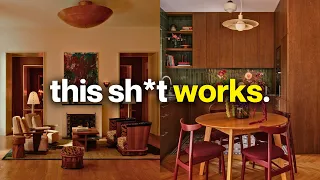
the neuroscience approach to making any home feel 10x better
This video explores seven psychological principles that influence how we feel in our homes, offering practical tips to enhance comfort and well-being without major renovations.
 34 min
Pakistan is OVERWHELMED By AVALANCHE Of MUSLIMS LEAVING ISLAM...
A Pakistani religious leader's emotional outburst over widespread blasphemy and apostasy in Pakistan, including calls for burning cities, is critically analyzed by the hosts who highlight the counterp
 40 min
"The Worst Sentiment I've Ever Seen in 50 Years" | Adrian Day
Veteran value investor Adrian Day discusses the significant market rotation out of crowded US tech into undervalued sectors like gold, natural resources, and foreign markets, emphasizing a disciplined
 38 min
These Girls Are Why You CAN'T Camp in National Forests Anymore...
This video details the tragic murder of Kylen Schulte and Crystal Turner, a couple found shot at their Moab campsite after reporting a "creepy man" nearby, with the primary suspect, Adam Pinkowitz, la
 18 min
The Death of Capitalism
The video argues that the U.S. government's unprecedented practice of taking equity stakes in private companies is a dangerous move away from capitalism towards socialism and communism, benefiting onl